


Who Should be Tested for STDs and How Often?

August 4, 2025

Share this article

aScreening for sexually transmitted diseases is important for many different reasons. If you’re like many people, you may not be sure if you need to be tested or how frequently you should come in for testing. Marsha E. Gorens, MD, is pleased to discuss the importance of STD testing in maintaining your overall health and offers confidential, judgment-free screening services through her practice in the Near West Side neighborhood of Chicago, Illinois. 

Why is STD testing still a somewhat taboo topic?

While we’ve come a long way in American culture when it comes to health and wellness, sexually transmitted disease (STDs) is an area that still doesn’t get the focus it deserves. That may be because we still have some lingering discomfort with having frank discussions about sex. 


It might be because sex is sometimes still thought of as an incredibly private topic, or one that makes people feel self-conscious or even shameful. But let’s take a closer look at the facts about STDs and overall health. 


Unless you have absolutely zero sexual interaction with others, including intimate touching, you have a risk of contracting an STD. The primary difference between these diseases and any others is the fact that they can easily spread from one person to the next by way of sex or physical intimacy. 


STDs include a variety of viral, fungal, bacterial, or parasitic infections, including some you’ve probably never heard of. There’s nothing particularly shameful about contracting an STD. So if you wouldn’t feel like you have to hang your head if you pick up a case of the flu, there’s no need to feel embarrassed discussing STD prevention, screening, or treatment. 

Virtually everyone needs STD testing

If you’re sexually active, you need to be periodically screened for sexually transmitted diseases. That’s true regardless of how many partners you have or how careful you are during sex. Having fewer partners and using condoms every single time can definitely lower your risk of getting an STD, but there’s still a risk. 


That’s because some infections are spread far more easily than others. Human papillomavirus (HPV) and genital herpes, for example, only require simple skin-to-skin contact to spread from one person to another. 


You can’t rely on symptoms to let you know you might have an STD. Many infections don’t create a clear set of symptoms, so you can have an infection and not know about it. That means you can spread it to others unintentionally. It also means that someone could spread an infection to you unintentionally. 


People who are in a long-term, mutually monogamous relationship where both people have been tested have the lowest risk of sexually transmitted disease. But even here, there is still a degree of risk. Some infections, like HPV, can be dormant for many, many years, and can then become active (and transmissible). HPV is the leading cause of cervical cancer and can also increase your risk of oral and other cancers. Knowing your status can help you preserve your overall health. 


It’s a complicated topic, but the fact is that many partners think they’re in a mutually monogamous relationship, only to find that their partner is or has been unfaithful. STD testing is the only way to confirm your disease status with certainty. 

When should I come in for STD testing?

Of course, if you experience any symptoms of sexually transmitted disease, you should come in right away for screening. People who are sexually active with multiple partners should get tested frequently. Many people who are dating choose to get tested before they have sex with someone new. It’s also common for both partners to get screened at the beginning of a new relationship. 


If you’re in a long-term relationship, you may not need frequent STD testing. Discuss your situation with Dr. Gorens to find a testing approach that is right for you. HPV screening is now a standard part of women’s health services, even during and after menopause. 


When you decide you’re ready for STD testing, we provide compassionate, science-backed guidance. You can schedule a visit with Marsha E. Gorens, MD, online or over the phone at your earliest convenience. 

Recent Posts

Person in black gloves holding wooden blocks spelling
January 1, 2026
Unbalanced hormones can create a wide range of symptoms for both women and men. Here are a few ways you can restore optimal hormonal balance and enjoy your life to the fullest.
Pink sticky note with
December 9, 2025
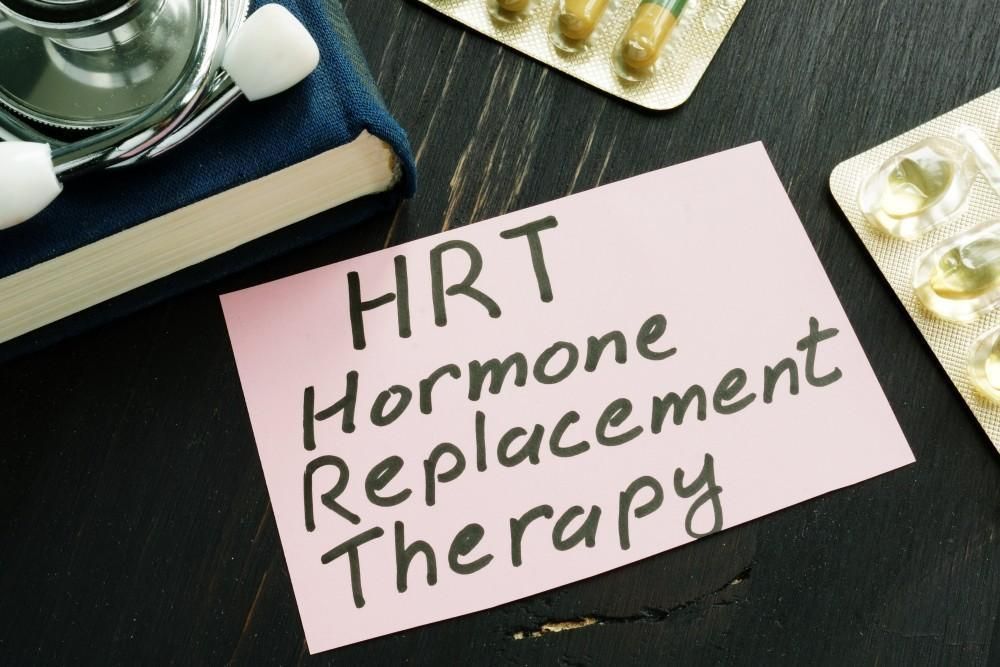
Menopause can bring a number of unwanted changes in the way your body feels and functions. Hormone replacement therapy offers a path to relief, but many people have questions about the process and whether it’s right for their needs.

Woman on blue bench fanning herself with newspaper in sunny park.
November 12, 2025
The holiday season has arrived, filled with excitement, joy, and the chance to reconnect with loved ones. If you’re in perimenopause or menopause, however, the holidays can present unique challenges. Here’s how to cope and even thrive this year.

Doctor in white coat speaking with patient, holding a clipboard in an exam room.
October 9, 2025
As the leaves change and the days grow shorter, fall is an excellent time to focus your attention on your health. We’re here to offer some tips on how to reset your health habits this autumn and reap the rewards all year long.
Doctor in white coat explaining something to a patient sitting on an examination chair in an office.
September 9, 2025
When it comes to your period, “normal” can be very different from one woman to the next. Here’s an overview of what falls within the range of “normal” menstruation, what changes in your period might mean, and where to get help.

Woman in jeans and pink top holding her hands near her lower abdomen, likely indicating discomfort.
July 7, 2025
Do you worry about making it to the bathroom in time? Does coughing or laughing cause you to pee just a little bit? If so, you may be one of many, many women who live with urinary incontinence. We’re here to help.

Laser hair removal on a leg; a gloved hand operates the device on a smooth, hairless skin.
June 3, 2025
Are you tired of the seemingly endless cycle of shaving, waxing, or plucking unwanted hair? Laser hair removal lets you enjoy soft, smooth skin without worries about stubble or ingrown hairs. Why are you still waiting to give it a try?

Person in robe applying a bandage to their upper arm, near a bathroom.
May 20, 2025
Every woman experiences her own version of menopause symptoms, sometimes minor and, for many, sometimes substantial. The standard of care for many symptoms of menopause is bioidentical hormone replacement therapy.