
New Year, New You: 3 Ways to Optimize Your Hormones in 2026

January 1, 2026

Share this article

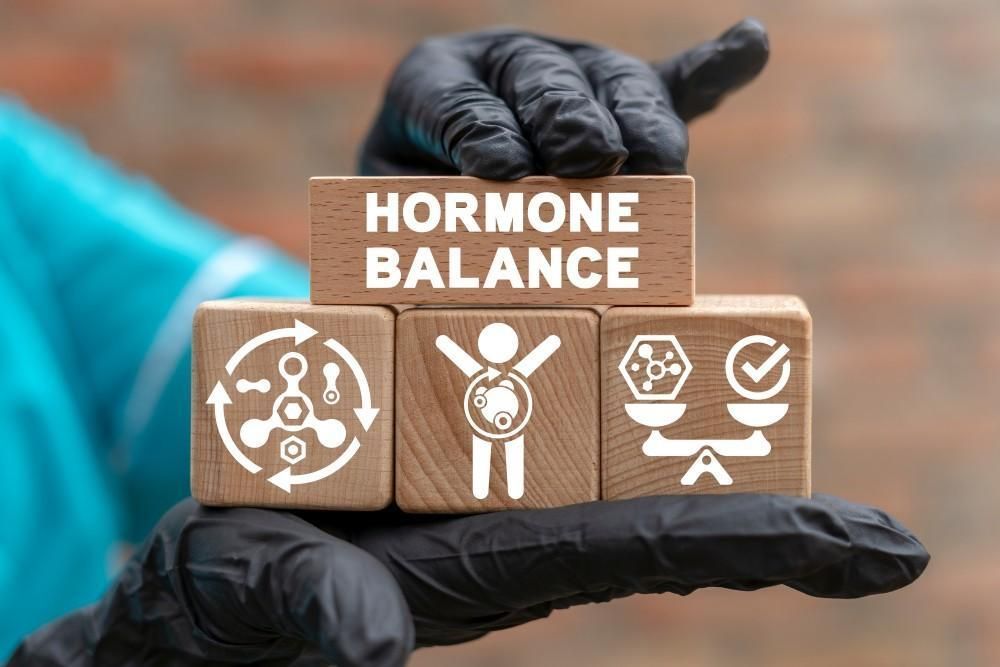
Marsha E. Gorens, MD, works with many men and women from in and around the Near West Side neighborhood of Chicago, Illinois, who are living with the symptoms of hormonal imbalance. If you’ve noticed changes in how your body feels or functions, it might be due to fluctuating hormone production. 


As we enter the New Year, let’s take a look at a few ways you can optimize your hormones and begin 2026 with renewed energy and health. 

#1: Identify the cause of your symptoms

For men and women in middle age, the leading cause of hormonal imbalance is a natural decline in the volume of hormones your body produces naturally, namely estrogen and testosterone. 


While this natural decline is normal, it can cause symptoms that make it difficult to enjoy everyday life. There’s no need to accept these changes as an inevitable part of the aging process when there are ways to optimize your hormones safely and effectively. 


But aging is not the only thing that could be causing a hormonal imbalance. Numerous health issues might be to blame, including type 2 diabetes, thyroid disease, stress, and autoimmune conditions, just to name a few. 


That’s why your first step should be a thorough health assessment to determine the cause of your symptoms and begin charting a course for relief. 

#2: Don’t ignore the role that nutrition plays in hormonal regulation

You’ve heard it again and again, but it bears repeating. The foods and beverages you consume each day directly affect virtually all aspects of your health and wellness. 


An unhealthy diet can make hormonal imbalance symptoms far worse. Poor nutrition can also prevent your body from regulating hormonal production on its own. 


Improving your diet can not only help you navigate hormonal imbalance with ease, but it can also reduce your risk of developing chronic disease and help you thrive. 


Getting enough protein each day is a great place to begin. Be sure to choose protein sources that don’t have high levels of saturated fat. Eggs, lentils, fish, and chicken breast are all good options. 


Consuming foods that have antioxidant and anti-inflammatory properties is also important. Consider adding blueberries, dark chocolate, fatty fish, and leafy greens to your meals and snacks. 

#3: Consider hormone replacement therapy

If your symptoms are significant, few things can balance hormones quicker than professional hormone replacement therapy (HRT). Dr. Gorens offers bioidentical hormone replacement therapy using plant-based synthetic hormones that share the same molecular structure as your natural hormones. 


Customization is a huge benefit of HRT. The process begins with assessing your current hormone production, then adding supplemental hormones to create an ideal balance. Your program can be altered over time to optimize results. 


Some people report improvement very soon after beginning HRT, but it takes a few months to see the full effects. Be sure to track any changes you notice throughout the process, both positive and negative. This information helps Dr. Gorens customize your treatment plan to deliver the results you’re looking for. 


If you’re ready to try HRT or have additional questions for Marsha E. Gorens, MD, please call our office at 872-210-4640 to schedule a time that works for you. We also offer an easy online booking option that you can access anytime. 

Recent Posts

Pink sticky note with
December 9, 2025
Menopause can bring a number of unwanted changes in the way your body feels and functions. Hormone replacement therapy offers a path to relief, but many people have questions about the process and whether it’s right for their needs.

Woman on blue bench fanning herself with newspaper in sunny park.
November 12, 2025
The holiday season has arrived, filled with excitement, joy, and the chance to reconnect with loved ones. If you’re in perimenopause or menopause, however, the holidays can present unique challenges. Here’s how to cope and even thrive this year.

Doctor in white coat speaking with patient, holding a clipboard in an exam room.
October 9, 2025
As the leaves change and the days grow shorter, fall is an excellent time to focus your attention on your health. We’re here to offer some tips on how to reset your health habits this autumn and reap the rewards all year long.
Doctor in white coat explaining something to a patient sitting on an examination chair in an office.
September 9, 2025
When it comes to your period, “normal” can be very different from one woman to the next. Here’s an overview of what falls within the range of “normal” menstruation, what changes in your period might mean, and where to get help.

Doctor in white coat consults with a patient; they are seated at a desk, looking at paperwork.
August 4, 2025
Getting tested for sexually transmitted diseases (STDs) is an essential part of overall health and wellness. But it isn’t always clear who needs testing and when. We’re here to provide some guidance on the matter.

Woman in jeans and pink top holding her hands near her lower abdomen, likely indicating discomfort.
July 7, 2025
Do you worry about making it to the bathroom in time? Does coughing or laughing cause you to pee just a little bit? If so, you may be one of many, many women who live with urinary incontinence. We’re here to help.
Laser hair removal on a leg; a gloved hand operates the device on a smooth, hairless skin.
June 3, 2025
Are you tired of the seemingly endless cycle of shaving, waxing, or plucking unwanted hair? Laser hair removal lets you enjoy soft, smooth skin without worries about stubble or ingrown hairs. Why are you still waiting to give it a try?
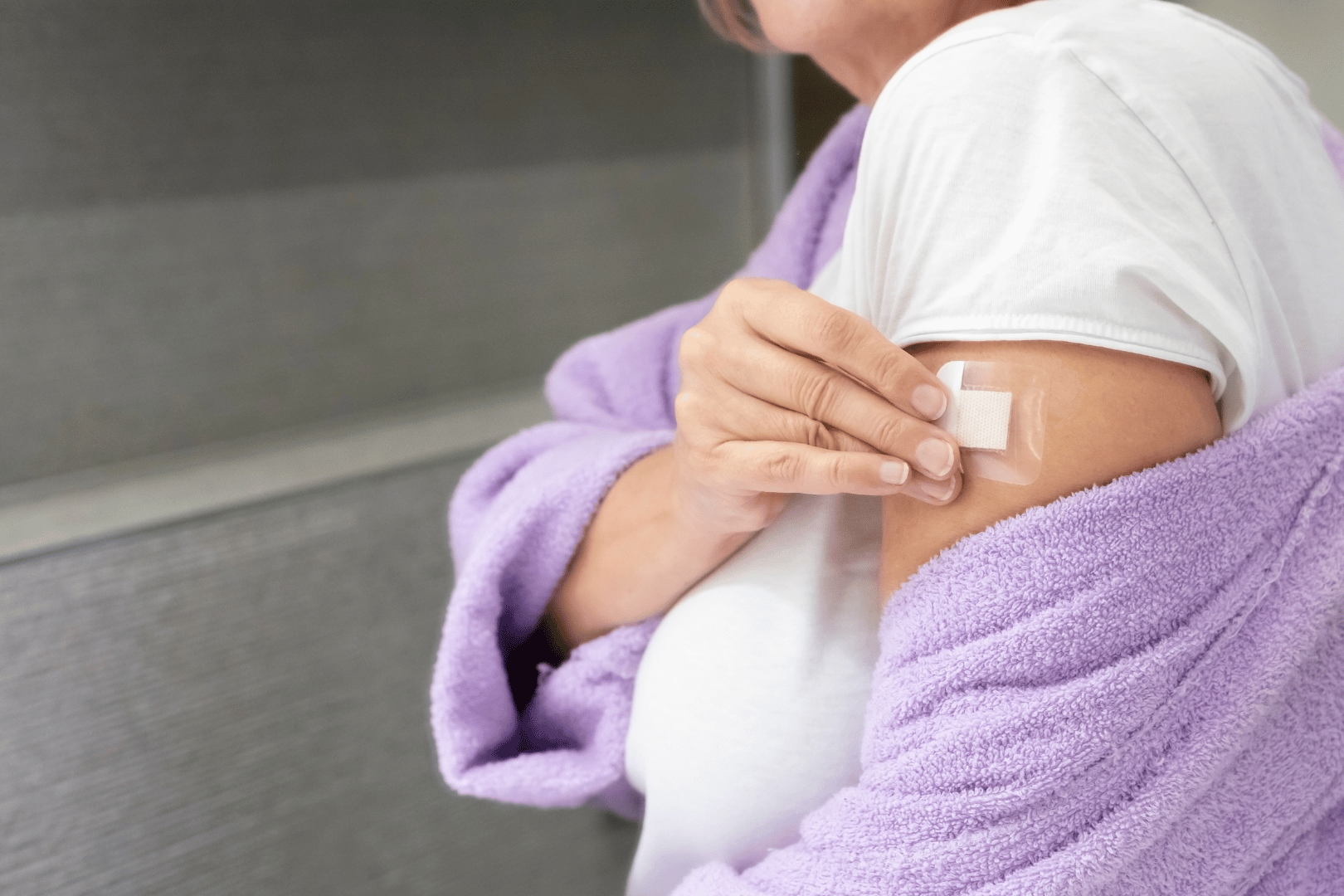
Person in robe applying a bandage to their upper arm, near a bathroom.
May 20, 2025
Every woman experiences her own version of menopause symptoms, sometimes minor and, for many, sometimes substantial. The standard of care for many symptoms of menopause is bioidentical hormone replacement therapy.