
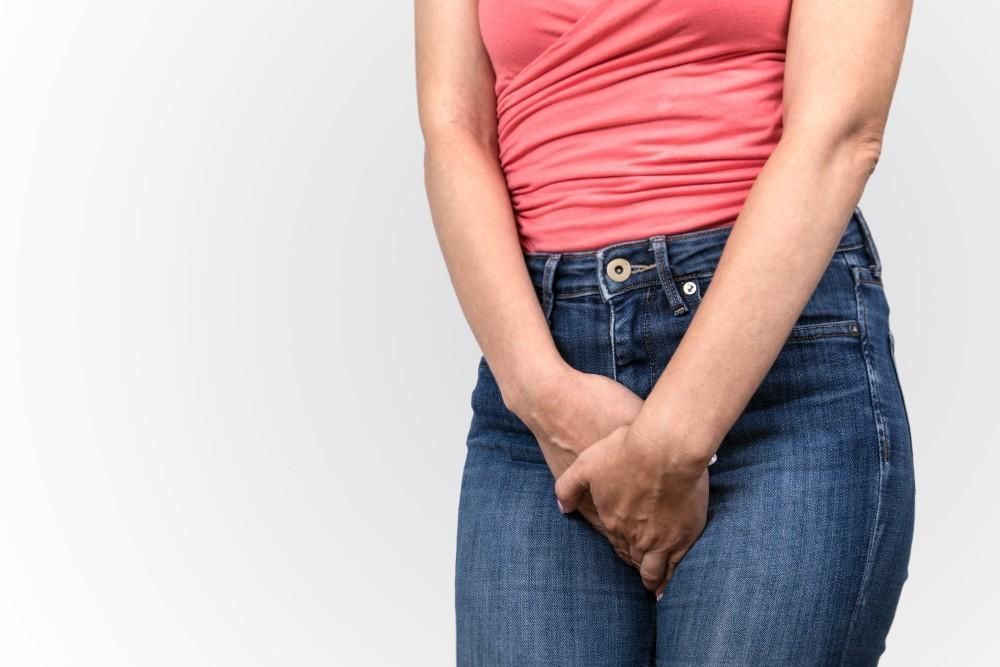

Female Urinary Incontinence, It's More Common Than You Think

July 7, 2025

Share this article

Urinary incontinence is one of those topics that many people don’t feel comfortable discussing with friends or loved ones. That can make you feel like you’re alone in dealing with this condition, and lead to feelings of embarrassment or shame when faced with leaking urine. 


But urinary incontinence is incredibly common among women, and Marsha E. Gorens, MD, is here to share information on the different types of urinary incontinence and what can be done to treat the condition. Many women from the Near West Side neighborhood of Chicago, Illinois, wouldn’t consider entrusting their women’s health needs to any other provider. 

Urinary incontinence is more common than you might think

According to researchers, more than 60% of American women experience some form of urinary incontinence. This high rate is believed to be partly due to the aging Baby Boomer generation, as your risk of incontinence rises as you move through menopause and beyond. 


The growing obesity problem in America may also be partly to blame. Being overweight or obese dramatically increases your risk of bladder health issues, including incontinence. Women who’ve given birth are also at an elevated risk, especially those who’ve had multiple children. 


These statistics clearly show that no matter what kinds of issues you’ve had with a leaking bladder or involuntary release of urine, you are certainly not alone. While incontinence may not be a popular dinner party topic, it’s an experience that most women share, especially in later life. 

Urinary incontinence comes in different forms

There are several different types of urinary incontinence, categorized according to symptoms. Understanding these different types can help you decide when to seek treatment. 


  • Urgency incontinence

Women with this type of urinary incontinence might find themselves feeling a strong, undeniable need to get to a restroom. They often worry that they won’t make it in time, and experience occasions when a small amount of urine leaks out before they can reach the toilet. 


  • Stress incontinence

Women with stress incontinence may notice a small loss of urine when they are engaged in activities that place strain on the bladder. This can be anything from lifting a heavy object to a bout of coughing or laughing. 


  • Functional incontinence

This form of urinary incontinence happens not because of a bladder malfunction, but because another health condition prevents you from getting to the bathroom in time. An example would be a mobility issue that slows you down.


  • Overflow incontinence

Women with overflow incontinence experience leaking urine when their body produces more urine than their bladder can hold at once. 


If you experience symptoms from more than one of these types of incontinence, your provider might diagnose you with “mixed” incontinence. 

Treatment can help you regain control over your bladder

Fortunately, there are a number of treatments that can help you find relief from urinary incontinence. Options include medication, pelvic muscle rehabilitation, dietary modifications, bladder training, and Botox® injections. 


Surgical interventions can also restore proper urinary function. A bladder sling can provide additional support for your bladder, and prolapse surgery can restore the position of pelvic organs that have shifted. 


There are also devices you can place inside your vagina to support your urethra and prevent leaking. They come in several shapes and sizes. 


These are just some of the ways Dr. Gorens can help you find lasting relief from urinary incontinence. The treatment process begins with a comprehensive diagnostic work-up to determine the source of your incontinence. 


When you’re ready to get started, reach out to Marsha E. Gorens, MD, to schedule a visit. Appointments can be made by phone with an administrative staff member or online using our easy booking tool.

Recent Posts

Person in black gloves holding wooden blocks spelling
January 1, 2026
Unbalanced hormones can create a wide range of symptoms for both women and men. Here are a few ways you can restore optimal hormonal balance and enjoy your life to the fullest.
Pink sticky note with
December 9, 2025
Menopause can bring a number of unwanted changes in the way your body feels and functions. Hormone replacement therapy offers a path to relief, but many people have questions about the process and whether it’s right for their needs.

Woman on blue bench fanning herself with newspaper in sunny park.
November 12, 2025
The holiday season has arrived, filled with excitement, joy, and the chance to reconnect with loved ones. If you’re in perimenopause or menopause, however, the holidays can present unique challenges. Here’s how to cope and even thrive this year.

Doctor in white coat speaking with patient, holding a clipboard in an exam room.
October 9, 2025
As the leaves change and the days grow shorter, fall is an excellent time to focus your attention on your health. We’re here to offer some tips on how to reset your health habits this autumn and reap the rewards all year long.

Doctor in white coat explaining something to a patient sitting on an examination chair in an office.
September 9, 2025
When it comes to your period, “normal” can be very different from one woman to the next. Here’s an overview of what falls within the range of “normal” menstruation, what changes in your period might mean, and where to get help.

Doctor in white coat consults with a patient; they are seated at a desk, looking at paperwork.
August 4, 2025
Getting tested for sexually transmitted diseases (STDs) is an essential part of overall health and wellness. But it isn’t always clear who needs testing and when. We’re here to provide some guidance on the matter.
Laser hair removal on a leg; a gloved hand operates the device on a smooth, hairless skin.
June 3, 2025
Are you tired of the seemingly endless cycle of shaving, waxing, or plucking unwanted hair? Laser hair removal lets you enjoy soft, smooth skin without worries about stubble or ingrown hairs. Why are you still waiting to give it a try?
Person in robe applying a bandage to their upper arm, near a bathroom.
May 20, 2025
Every woman experiences her own version of menopause symptoms, sometimes minor and, for many, sometimes substantial. The standard of care for many symptoms of menopause is bioidentical hormone replacement therapy.